Get the free Family Emergency Plan PDF before you buy.
One page. Out-of-area contacts, two meeting points, utility shutoffs, medical info, and a 5-needs checklist. Keep it with your kit.
✓ Check your inbox.
Plan is on its way. Browse the full ReadyFive checklist →
Fire Starters: The Complete Buyer's Guide
Every fire-starting method ranked for reliability, cost, and field performance. Waterproof matches, windproof lighters, ferrocerium rods, flint strikers, fatwood, and the friction methods — with 3-tier pricing from budget to premium.
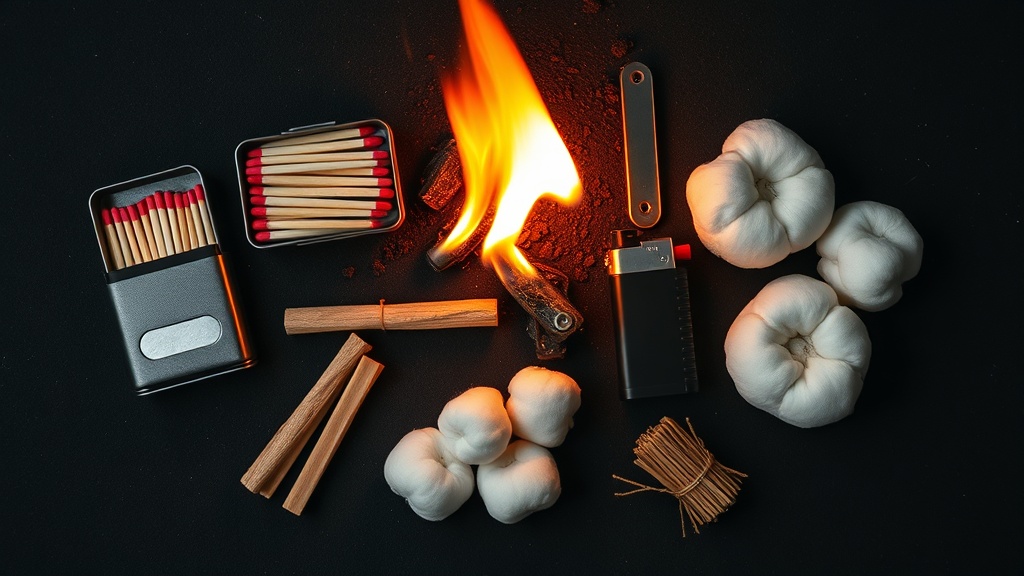
The 30-Second Summary
If you need fire now, carry a windproof lighter and a ferrocerium rod. If you need reliability in a kit that sits for years, use stormproof matches. If you want to learn primitive skills, start with a bowdrill. Each method below is evaluated for cost, reliability, and how it performs under stress.
| Method | Cost | Reliability | Best For |
|---|---|---|---|
| Waterproof Matches | $8–25 | High | Everyday carry, kit storage, beginners |
| Windproof Lighter (Zippo/Butane) | $25–45 | High | Daily use, cold weather, higher altitudes |
| Ferrocerium Rod | $8–20 | Very High | Long-term kits, BOB, extreme conditions |
| Flint Striker | $5–15 | Moderate | Light use, backup to other methods |
| Fatwood | $8–15 | High | Kindling, campfire prep, wet conditions |
| Cotton Ball + Vaseline | $3–5 | High | DIY kits, low cost, high burn time |
| Dryer Lint | Free | Moderate | Emergency improvised, single use |
| Fire Piston | $25–40 | High | Wet environments, demonstration, collectors |
| Bowdrill / Handdrill | $0–10 | Low (requires skill) | Primitive skills, no equipment, learning |
9 Fire-Starting Methods, Explained
1. Waterproof Matches
Stormproof matches burn at 1,300°F — hot enough to light charred cloth, dryer lint, or bark in wind and rain. UCO and similar brands coat the match head in oxidizer so it keeps burning even when wet. Standard safety matches go out immediately in wind. Stormproof matches do not.
What to buy: UCO Stormproof Match Kit (200 matches + 3 strikers, ~$19). Store in the waterproof case it comes with — the striker is reusable, matches are not.
2. Windproof Lighters
Zippo-style lighters work through wind, rain, and altitude by using a flint wheel and exposed wick. The fuel evaporates and the flame burns above the fuel chamber, which protects it from wind. Downside: fuel evaporates slowly even when not in use — refill every 4–6 weeks if stored long-term. Butane lighters are more windproof at altitude but lose pressure below freezing.
What to buy: Zippo Ultimate Sailor or any windproof Zippo with an O-ring seal (~$35). Keep a backup flint wheel.
3. Ferrocerium Rods
The gold standard for long-term preparedness. Ferrocerium produces sparks at 5,500°F — 3x hotter than a match flame. It works after getting wet, in any weather, after years of storage. A 3" rod provides ~30,000 strikes. Striker is built into most holders, or use the spine of a knife.
What to buy: Sawyer 550 Paracord Ferrocerium Rod (~$12) or Swedish FireSteel 2.0 (~$24 for a larger version). Both are genuine ferrocerium — avoid cheaper zinc alloy fakes that don't spark well.
4. Flint Striker Squares
The classic flint-on-steel produces hot sparks against any ferro-magnetic surface (knife spine, rock). Lightweight, nearly indestructible, no fuel or batteries. The spark is less consistent than a ferro rod at getting tinder going — flint is better used as a novelty or backup.
5. Fatwood
Fatwood is heartwood from pine trees that's naturally saturated with resin. It lights with one match, burns even when wet, and produces a hot flame that lasts 3–5 minutes. Extremely reliable for starting fires in poor conditions. Harvest your own or buy pre-cut sticks.
What to buy: Fatwood Tinder Pick (~$10) or collect your own from dead pine stumps. Peel, split, and store in a dry container.
6. Cotton Balls + Vaseline
Stretch a cotton ball thin, coat it in Vaseline, and it burns for 3–5 minutes in any weather. One ball lights a full fire in most conditions. Store 20+ balls in a zip-lock bag for less than $5. The Vaseline waterproofs the cotton so it works even when wet. Relightable — save the charred remains as tinder for the next fire.
7. Dryer Lint
Free, always available, and highly flammable. One ball of lint lights in under 3 seconds with a spark. Not waterproof and not reusable — keep it in a zip-lock bag. Good as a backup for backup, not a primary fire method for preparedness kits.
8. Fire Piston
A fire piston compresses air rapidly by pushing a plunger into a cylinder — the compression heats air to 500°F+, igniting tinder instantly. Works perfectly in wet conditions. No sparks, no fuel, no flame. The entire mechanism is sealed — it works underwater, in rain, and at altitude. Fascinating piece of engineering but slower to use than a lighter.
9. Friction Methods: Bowdrill & Handdrill
Bowdrill uses a bow, socket, spindle, and fireboard to convert rotary motion to heat. Handdrill uses just a straight stick and a soft board. Both produce an ember in 30–90 seconds of consistent friction — inconsistent technique produces smoke, not fire. These are legitimate survival methods but require significant practice in dry conditions before attempting them in emergencies.
A ferro rod and a pile of cotton balls cost under $15 and will start a fire in 30 seconds for anyone. A fire piston requires $30 and 5 minutes of setup. A bowdrill requires $5 of wood and 40 hours of practice. Build your kit with reliable equipment — then spend one afternoon learning friction methods so you have options when everything else is gone.
Budget Picks — Under $20
Budget doesn't mean unreliable. These are the best fire tools under $20 — tested in real field conditions, with thousands of reviews confirming they work.
Survival Spark Fire Starter Keychain
Pros
- Cheapest genuine ferro rod on the market
- Attaches to keychain — always with you
- Works after getting soaking wet
- No fuel, no expiration date
Cons
- Small rod = short sparks
- Striker quality varies by batch
- Not great for cold hands
DIY Cotton Ball + Vaseline Fire Kit
Pros
- Cheapest reliable fire method available
- Burns in wind and rain
- Relightable — save charred remains
- Stores flat in any kit
Cons
- Requires a separate ignition (match, lighter, or rod)
- Vaseline can melt in high heat
- Must be made fresh — not sold pre-assembled
- Pull cotton balls apart and stretch thin (larger surface area = better)
- Coat generously in Vaseline — work it in until fully saturated
- Store in a ziplock bag in your kit
- Light with any spark source — holds flame 3–5 minutes
Fatwood Fire Starter Sticks
Pros
- Natural resin makes it nearly waterproof
- One match lights it every time
- Burns 5+ minutes, hot enough to light other wood
- Lasts indefinitely when stored dry
Cons
- Not ideal for very small kits (weight/size)
- Natural product — quality varies
- Only good for starting fires, not sustaining
Mid-Range Picks — $20 to $50
These picks offer the best balance of reliability, longevity, and field performance for a BOB or get-home bag. If you're going to buy one tool, pick one from this tier.
UCO Stormproof Match Kit
Pros
- Best match system for survival kits
- Strikes work even after getting wet
- Case is genuinely waterproof
- 200 matches = ~100 fires
- No learning curve — works for anyone
Cons
- Matches run out — not a lifelong tool
- Strikers wear down over time
- Requires holding match steady (hard with cold hands)
Sawyer 550 Paracord Ferrocerium Rod
Pros
- 30,000 strikes — lasts decades in a kit
- Paracord lanyard is genuinely useful
- Works in any weather, altitude, temperature
- Same rod works after being submerged
Cons
- Requires tinder — sparks don't ignite wet wood directly
- Striker attachment is modest quality
Zippo Ultimate Sailor Windproof Lighter
Pros
- Works in wind, rain, and at altitude
- Lifetime warranty — buy once, use forever
- Refillable — no disposable waste
- Immediate ignition — no setup
- Comfortable to use with cold hands
Cons
- Fuel evaporates in storage — needs monthly maintenance
- Butane loses pressure below 32°F
- Not waterproof if cap is left open
UCO Titan Fire Piston
Pros
- Works in rain, snow, underwater — the most waterproof fire method
- No fuel, no sparks — fully sealed mechanism
- Fascinating engineering — worth owning
- Ignites char cloth or punk with perfect consistency
Cons
- Requires tinder material (char cloth)
- Learning curve — push too fast/slow and it doesn't work
- Not the fastest method
For those who want the absolute best fire-starting system, or who need to equip multiple people or vehicles. Premium means: more sparks, more durability, more capacity.
Swedish FireSteel 2.0
Pros
- Hardest ferro rod on the market — doesn't chip
- Produces 3x more heat than butane lighters
- Works at any altitude and temperature
- Attaches to pack or belt — always accessible
Cons
- Best striker is the dedicated one (included)
- Not waterproof on its own — needs a dry container
Light My Fire NanoMetal Ferro Rod
Pros
- Smallest genuine ferro rod available
- Goes on keychain — always with you
- Matches Swedish FireSteel quality
- Multiple colors for team/gear marking
Cons
- 3,000 strikes — less than half of full-size rods
- Short sparks limit tinder options
Zippo Outdoor Kit (Lighter + 2 Fuel Cans + Tinder)
Pros
- Complete fire kit in one package
- Fuel for the Zippo and firestarter tabs included
- Soft case protects everything
- Good gift or start kit for beginners
Cons
- Cheaper Zippo model — no O-ring seal
- Fuel cans add weight
Fire Starters in the ReadyFive Checklist
The ReadyFive app tracks fire-starting supplies across the Fire Starters category — matches, lighters, ferro rods, tinder, and fuel. Track what you have, what's expired, and what needs replacing before you need it.
The two-fire-method rule for every kit
One method for speed (lighter or matches), one method for reliability (ferro rod). If one fails, you always have the other.
Track your fire readiness in the ReadyFive app
ReadyFive covers matches, lighters, ferro rods, tinder, and fuel — every fire-starting item in your kit, with rotation reminders so nothing expires when you need it.
Open Fire Starters in Checklist →Free printable: the family emergency plan
you'll actually fill out.
One page. Covers emergency contacts, meeting points, utility shutoffs, medical info, and a 5-needs quick checklist. Print it, keep it in your go-bag.
✓ Check your inbox.
Plan is on its way. Explore the full ReadyFive checklist →
More Survival Guides
The $50 Bug Out Bag
10 affordable items for a functional 72-hour kit
Apartment Prepping
Space-saving survival strategies for renters
5 Things Preppers Forget
Critical gaps that 90% of beginners miss
Water Purification 101
5 methods compared for emergency water treatment
Get Home Bag Essentials
15 items for the bag that lives in your car
Emergency Food That Tastes Good
10 shelf-stable picks you would actually eat
Emergency First Aid
6 scenarios for when 911 isn't an option
Long-Term Food Storage
Shelf life charts, mylar bags, forever foods, and building toward a 1-year supply
🐾 Pet Disaster Preparedness
The emergency plan most prepping guides skip. Carriers, food, vet records, pet-friendly evacuations.
⚠️ Civil Unrest Preparedness
Shelter-in-place protocol, communication plans for when phones fail, and a 30-item readiness checklist.
☢️ Nuclear Danger Preparedness
Fallout physics, the 7-10 rule, potassium iodide dosing, CBRN gear, and a 30-item readiness checklist.
⚡ Best Solar Generators 2025
12 models reviewed across 4 price tiers — apartments to whole-house backup. Honest pros/cons and current prices.
💧 Best Water Filters for Emergencies 2026
12 models across 4 tiers — from $20 portable straws to $350 countertop systems. Sawyer Mini, Grayl GeoPress, Berkey Big.
Emergency Kit for Renters
Compact, apartment-legal, and portable. $50/$100/$200 budget tiers covering water, food, warmth, and comms for 1–4 people.
🔥 Fire Starters Buyer's Guide
9 methods ranked by reliability — matches, lighters, ferro rods, fatwood, and friction. 3-tier product table with Amazon links.
🐾 Pet Bug Out Bag
18 essential items for cats and dogs — food, water, meds, carrier, and documents in a single grab-and-go kit.
👧 Kids Get Home Bag
16 essential items for your child's emergency kit — contact card, directions, water, food, first aid, and comfort items for ages 5–12.
📻 Emergency Communications
GMRS radio for families — no exam, $35 license, 25-mile range. Compares FRS, GMRS, HAM, and satellite options.
📻 Best GMRS Radios 2026
6 handhelds compared on real-world range, battery life, and price — Midland, Motorola, Baofeng and more.
📻 How to Get Your GMRS License
Step-by-step FCC ULS walkthrough: FRN registration, $35 fee, callsign, Form 605 — no exam required.
🎛 How to Program a GMRS Radio
CHIRP and RT Systems walkthrough for Baofeng BF-F8HP — channels, CTCSS tones, +5 MHz repeater offset, and the 4 beginner mistakes to avoid.
🛰 Best Satellite Messengers 2026
5 satellite messengers compared on price, weight, two-way text, and monthly cost — Garmin, Zoleo, SPOT, Bivystick.
📻 Best FRS Radios 2026
3 license-free walkie-talkies for grab-and-go kits — Motorola T600, Midland T50, Cobra RX680. No exam, no fee, no antenna swap.
📻 Best CB Radios for Preppers 2026
License-free, 4W AM / 12W SSB — Cobra, Uniden, Galaxy, President covered with antenna picks.
📡 How to Find GMRS Repeaters
3 best directories to look up local repeaters, simplex vs repeater offsets, and how to request an access code.
📻 Baofeng UV-5R Deep-Dive
Programming, frequency coverage, Nagoya NA-771 antenna upgrade, and GMRS/FRS receive notes for the $30 prepper HT.
📣 Emergency Communication Protocols
Radio check-in schedules, MAYDAY calling, directed nets, and a tiered FRS → GMRS → HAM → satellite hierarchy.